
Oyster and contactless
How to pay for the London Underground: the Oyster card, contactless bank cards, phones and watches, pay as you go fares and the daily and weekly caps that stop you overpaying.
What Oyster and contactless are
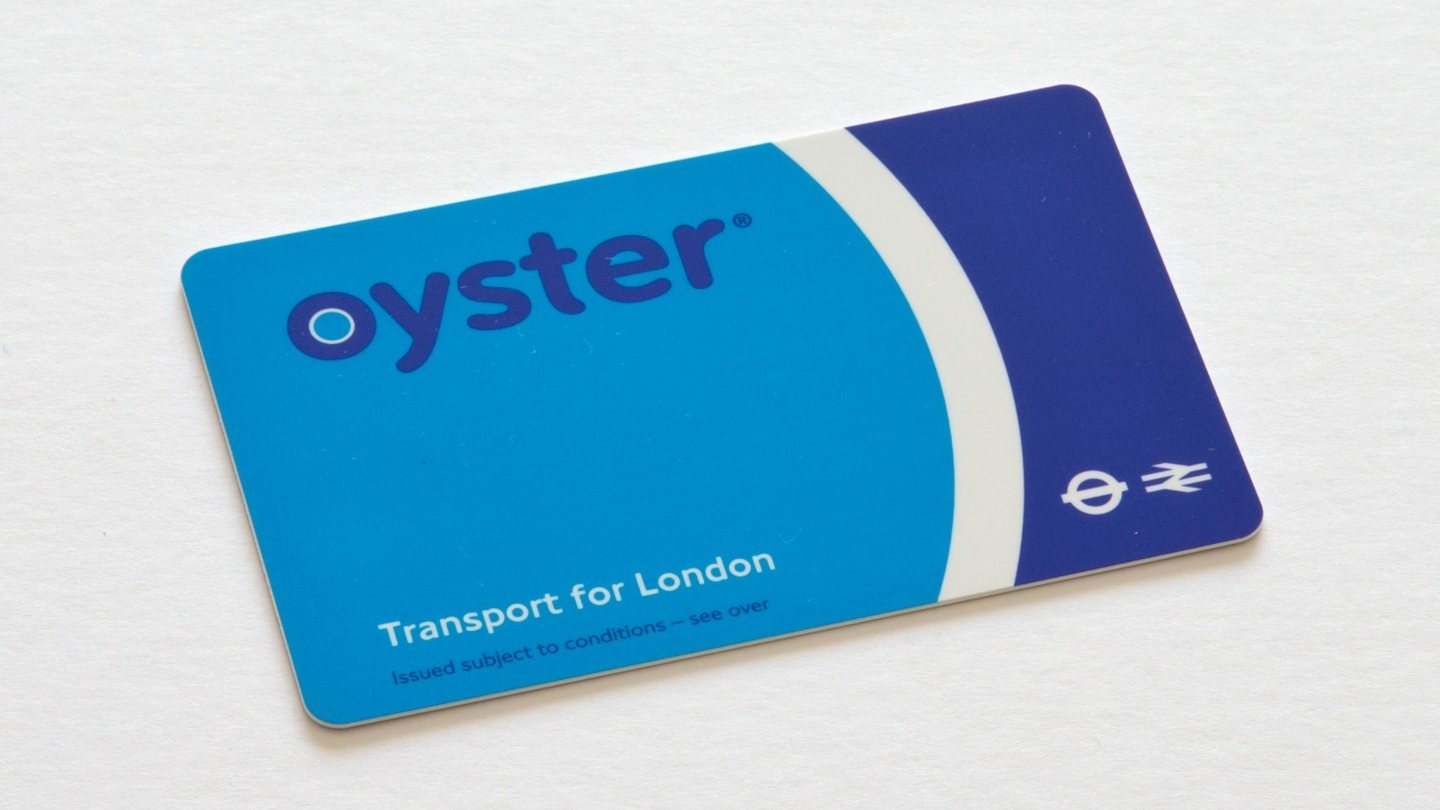
Contactless is the default way to pay in London and needs no card of ours at all: touch the bank card, phone or watch you already carry on the yellow reader when you start and again when you finish, and you are charged the pay as you go fare. Oyster is TfL’s own plastic smartcard: you load money onto it and it charges the same pay as you go fares. Both work on the Tube, buses, trams, the DLR, London Overground, most of the Elizabeth line, the London Cable Car, Thames Clippers river buses and most National Rail services inside zones 1–9.
An Oyster card costs £10.50, and for any card bought on or after 4 September 2022 that fee is not refundable — it is a fee, not the £5 deposit older cards carried. The credit you load is a different matter: it never expires and you can claim it back. Contactless costs nothing up front, which is why, for most visitors, a bank card is the cheaper of the two before the first journey has even started.
Neither is a ticket. Nothing is bought in advance and no zones are chosen: the system works out what you owe from where you touched in and where you touched out. That is also why touching out matters so much — see touching in and out below.
Oyster or contactless: which to use
Both pay the same fare. These are the things that actually differ.
| Contactless card, phone or watch | Oyster card | |
|---|---|---|
| Costs to get one | Nothing, if you already have a contactless bank card, phone or watch | £10.50 for the card, not refundable |
| Fare charged | Pay as you go, the same fare as Oyster | Pay as you go, the same fare as contactless |
| Daily and weekly caps | Both, as long as you use the same card or device every time | Both, as long as you use the same card every time |
| Railcard discount | Cannot be added | 1/3 off off-peak fares with most National Railcards |
| Children and concessions | Adult rate only | Zip, 60+, Student and other photocards are Oyster cards |
| Overseas cards | Accepted, but your bank may add a foreign transaction fee | No foreign transaction fee: you load pounds once |
| Lending it to someone | No — pay for another person only with a second card or device | Yes, if it carries only pay as you go credit |
| Getting your money back | Nothing to get back; you are charged per journey | Unused credit is refundable, the card fee is not |
TfL charges the same pay as you go fare either way (ways to pay). The practical differences are the ones above: a railcard or a concession has to sit on an Oyster card, while a bank card saves you the £10.50 and the queue.
Daily and weekly caps
The cap is why pay as you go beats a ticket for almost everyone: you cannot overpay by travelling more.
| Zones | Daily cap (peak) | Daily cap (off-peak) | Monday to Sunday cap | Day Travelcard | Off-Peak Day Travelcard | 7 Day Travelcard |
|---|---|---|---|---|---|---|
| Zone 1 only | £8.90 | — | £44.70 | £16.60 | £16.60 | £44.70 |
| Zones 1–2 | £8.90 | — | £44.70 | £16.60 | £16.60 | £44.70 |
| Zones 1–3 | £10.50 | — | £52.50 | £16.60 | £16.60 | £52.50 |
| Zones 1–4 | £12.80 | — | £64.20 | £16.60 | £16.60 | £64.20 |
| Zones 1–5 | £15.30 | — | £76.40 | £23.60 | £16.60 | £76.40 |
| Zones 1–6 | £16.30 | — | £81.60 | £23.60 | £16.60 | £81.60 |
| Zones 1–7 | £17.80 | £16.30 | £88.90 | £29.80 | £17.80 | £88.90 |
| Zones 1–8 | £21.00 | £16.30 | £104.90 | £29.80 | £17.80 | £104.90 |
| Zones 1–9 | £23.30 | £16.30 | £116.40 | £29.80 | £17.80 | £116.40 |
A cap is the most you can be charged. Keep travelling after you have reached it and the journeys are free, although you must still touch in and out. The daily cap runs from 04:30 to 04:29 the next morning, not from midnight, so a late Friday night counts as Friday. The weekly cap is a fixed Monday to Sunday week: start travelling on a Thursday and there are not enough days left to reach it.
Caps only work if every journey is paid with the same card or device. Pay with your phone in the morning and the card inside it in the evening and TfL sees two travellers, neither of whom reaches a cap. Maximum fares from incomplete journeys do not count towards a cap either.
Buses and trams are capped separately and much lower: a single fare is £1.75, the daily cap £5.25 and the Monday to Sunday cap £24.70. Mix bus and rail journeys in a day and the rail cap applies to the lot.
Adult rates for 2026, from TfL’s fare capping page and the adult rate prices 2026 (PDF). Zones 7 to 9 are the only bands where the off-peak daily cap is lower than the peak one.
Pay as you go fares, peak and off-peak
Peak, off-peak and the time that decides which one you pay.
What a single journey costs depends on the zones you cross and on the time you touch in. Peak fares apply Monday to Friday, except on public holidays, between 06:30 and 09:30 and between 16:00 and 19:00. Everything else is off-peak, including all weekend, and so is a journey into zone 1 from outside it in the evening peak. Night Tube fares are always off-peak.
Journeys to and from Heathrow on the Tube or the Elizabeth line are charged the peak fare whenever they start, end or pass through zone 1 — see Heathrow to central London by tube. Fares on the Night Tube are off-peak at every hour of the night.
Our tube fares page lists the single fare for every zone combination, peak and off-peak, alongside what the same journey costs on a paper ticket; each station page gives the fare from that station to Oxford Circus. For a specific pair of stations, TfL’s single fare finder is the source we use.
Touching in and out
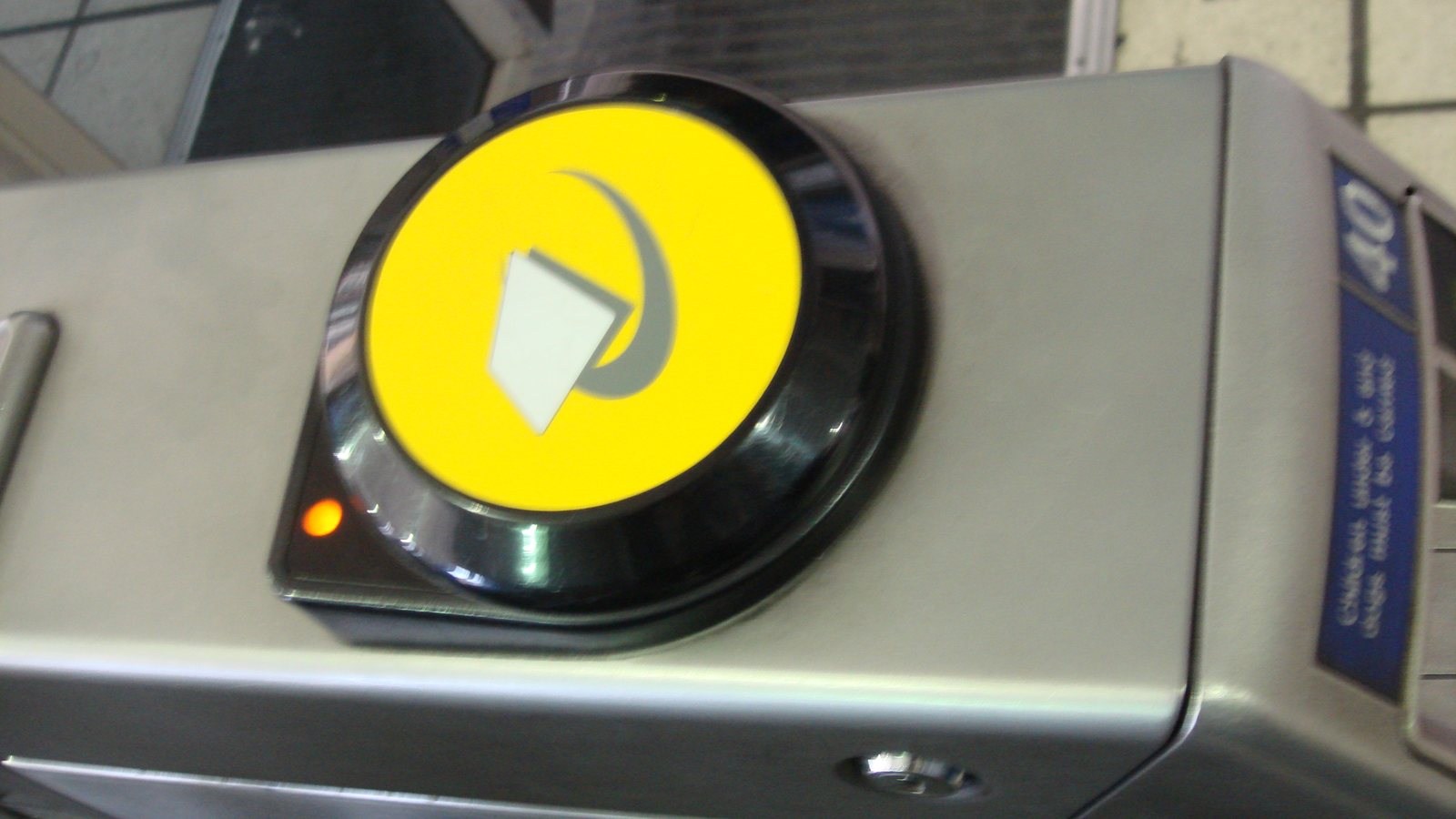
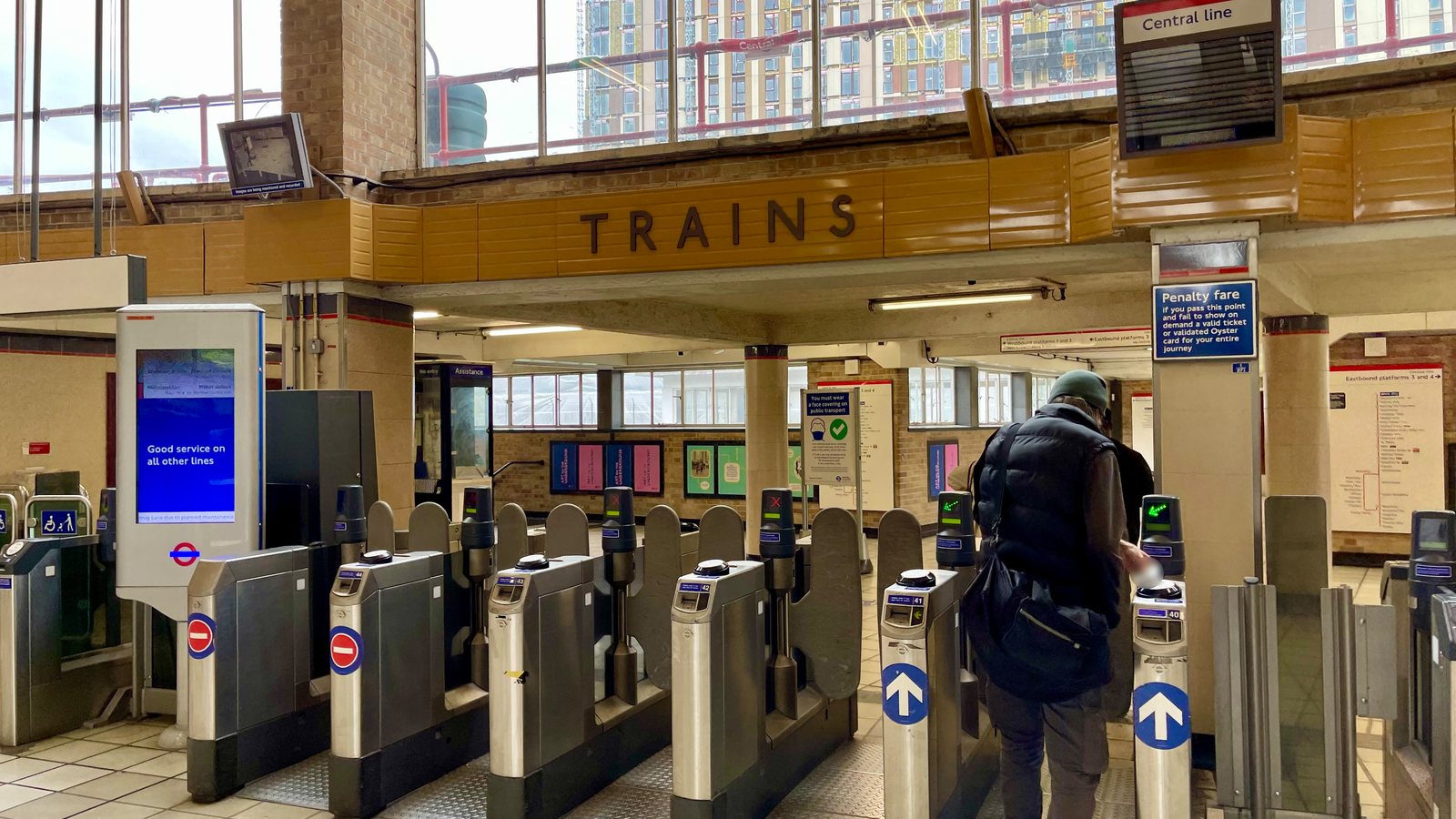
Touch in at the start of every journey and touch out at the end, on the same card or device, even when the gates are standing open. Where there are no gates, use the free-standing yellow reader by the entrance or on the platform. On buses and trams you touch in only.
If TfL cannot see where you got off, the journey is incomplete and you are charged a maximum fare instead of the real one. TfL does not publish a single figure for that fare, and we are not going to invent one; what it does publish is that maximum fares do not count towards your cap, so one of them can cost you twice.
Two other traps catch people who have done nothing wrong. Travelling without going through zone 1 sometimes means touching a pink reader at the interchange to prove it, which makes the journey cheaper. And a journey that takes longer than TfL’s maximum journey time is charged as two incomplete journeys, although severe delays are usually refunded automatically.
Travelling with no valid fare at all is a penalty fare of £100, reduced to £50 if it is paid within 21 days.
Touching out at the station you came in
Changing your mind at the gateline, and the time limits on a single journey.
| What happens | What you are charged |
|---|---|
| Touch out 0–2 minutes after touching in | A maximum fare, refunded if you enter the same or another station again within 45 minutes (not if you take a bus or tram in between) |
| Touch out 2–30 minutes after touching in | The minimum pay as you go fare from that station |
| Touch out more than 30 minutes after touching in | Two maximum fares: TfL treats it as two separate incomplete journeys |
| Journey | Mon–Fri 04:30–19:00 | Mon–Fri after 19:00 and Saturday | Sunday and public holidays |
|---|---|---|---|
| Within zone 1 only, zone 2 only, or zones 2–3 | 1h 30m | 1h 40m | 1h 50m |
| Within zones 1–2 | 1h 40m | 1h 50m | 2h 00m |
| Within zones 1–3 | 1h 50m | 2h 05m | 2h 15m |
| Within zones 1–4 (up to five zones) | 1h 50m | 2h 05m | 2h 15m |
| Any other journey across 1 zone | 1h 10m | 1h 20m | 1h 25m |
| Any other journey across 2 zones | 1h 20m | 1h 30m | 1h 40m |
| Any other journey across 3 zones | 1h 30m | 1h 40m | 1h 50m |
| Any other journey across 4 zones | 1h 40m | 1h 50m | 2h 00m |
Same-station charges from TfL’s pay the right fare page; maximum journey times from its maximum journey times page. The times are set generously — they are there to catch journeys that never really happened, not slow ones.
The Visitor Oyster card
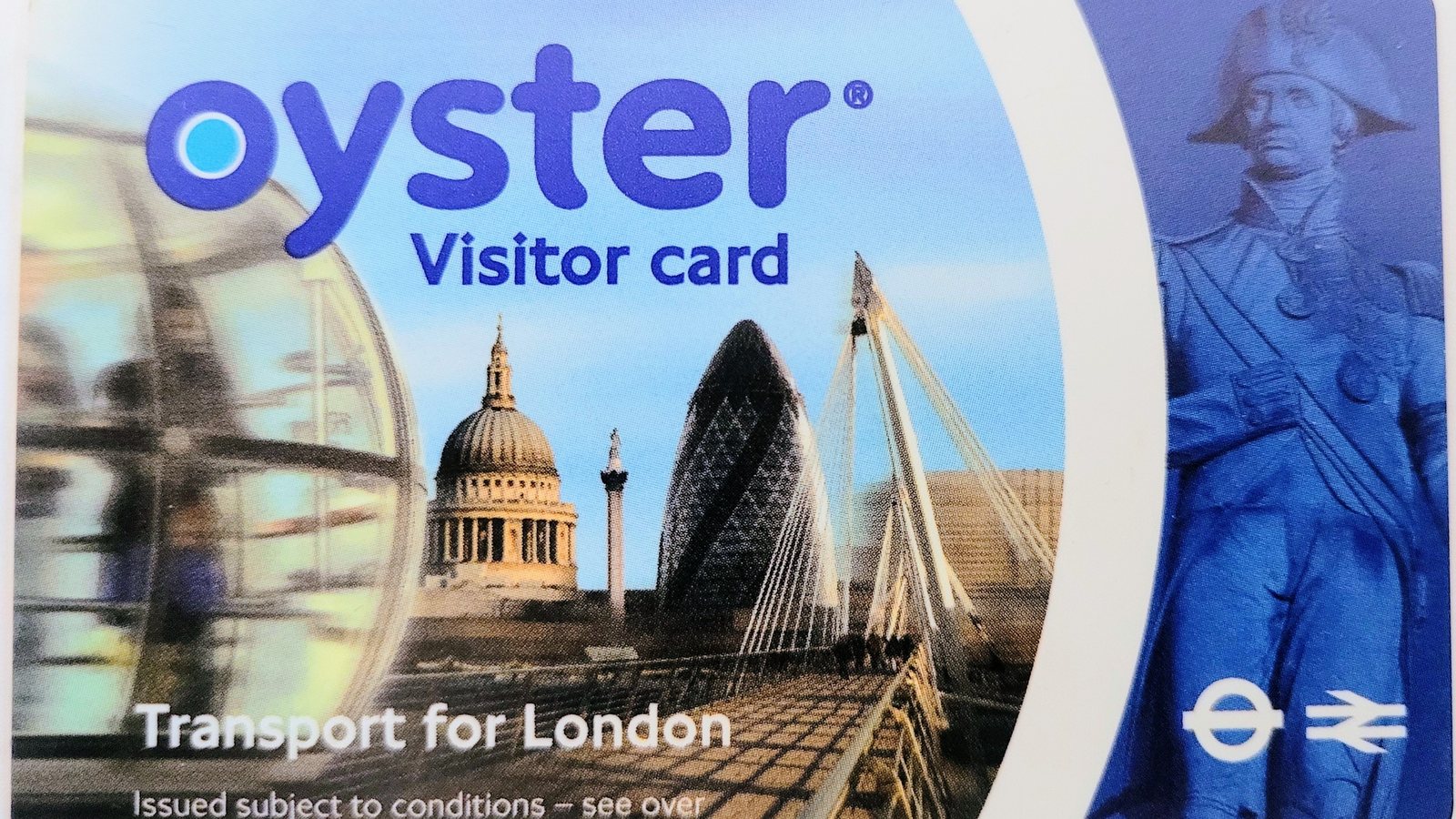
The Visitor Oyster card is the same card with a different picture on it and one practical difference: you buy it before you arrive, from TfL’s Visitor Shop or an approved agent, and it is posted to you already loaded. It costs £10.50 plus postage, and you choose the credit that comes on it: £10, £15, £20, £25, £30, £35, £40 and £50. You cannot buy one in London.
It gives the same pay as you go fares and the same daily caps as any other Oyster card. The credit never expires, so it keeps until your next visit or can be passed to someone else. What it does not do is register: a Visitor Oyster cannot be added to an online account, which means no refund if it is lost or stolen, and no weekly cap, because that needs a registered adult-rate card.
Travelling with an 11 to 15 year old? Staff at most Tube stations and at Visitor Centres can add a Young Visitor discount to a Visitor Oyster card, giving half adult-rate pay as you go for up to 14 days. The child has to be there.
Honest comparison: if your bank card is contactless and does not charge foreign transaction fees, it will cost you less than the £10.50 fee. The Visitor Oyster is worth it when your card does charge, when you want the spending ring-fenced, or when you would rather arrive with travel already paid for.
Photocards, railcards and free travel
Discounts live on Oyster, not on contactless. Source: TfL’s free and discounted travel pages.
| Card | Who it is for | What it gives |
|---|---|---|
| 5-10 Zip Oyster photocard | Children aged 5 to 10 | Free travel on the Tube, DLR, London Overground and the Elizabeth line. A child under 11 travelling with a fare-paying adult does not need one: up to four travel free |
| 11-15 Zip Oyster photocard | Children aged 11 to 15 — £16.50 administration fee | Free travel on buses and trams, and child-rate pay as you go on the Tube, DLR, London Overground and the Elizabeth line |
| 16+ Zip Oyster photocard | Young people aged 16 and 17 | 50% off adult pay as you go fares; free bus and tram travel if you live in London |
| 18+ Student Oyster photocard | Students aged 18 or over living in a London borough in term time | 30% off adult-rate Travelcards and Bus & Tram Pass season tickets |
| Apprentice Oyster photocard | First-year apprentices aged 18 or over living in a London borough | 30% off adult-rate Travelcards and Bus & Tram Pass season tickets |
| 60+ London Oyster photocard | Londoners aged 60 and over — £36 to apply, £18.50 a year to renew | Free travel on the Tube, bus, tram, DLR, London Overground and the Elizabeth line |
| Veterans Oyster photocard | Veterans on ongoing War Pension or Armed Forces Compensation payments | Free travel at any time on bus, Tube, tram, DLR, London Overground and the Elizabeth line |
| Freedom Pass | Londoners aged 66 or over, and disabled Londoners | Free travel on TfL services. Issued by London Councils, not by TfL |
A National Railcard can be loaded onto an Oyster card — 16-25 Railcard, 26-30 Railcard, Senior Railcard, HM Forces Railcard and Veterans Railcard — and takes 1/3 off off-peak pay as you go fares and off-peak daily caps. A Disabled Persons Railcard takes 1/3 off peak fares as well. Ask a member of staff at a Tube station or an Oyster Ticket Stop to add it, and bring the railcard; it cannot be done online and it cannot be done on a contactless bank card. That is the single strongest reason a Londoner with a railcard still carries an Oyster.
Children under 11 travel free on the Tube with a fare-paying adult, up to four per adult, and free on buses and trams at any time. The photocards above are applied for through TfL, not bought at a station.
Where to buy a card and how to top it up
Where to buy an Oyster card
- Online with a contactless and Oyster account, if you live in the UK
- At Oyster Ticket Stops in many newsagents in London
- At all Tube stations, most London Overground stations and most Elizabeth line stations
- At London City Airport DLR station
- At TfL Visitor Centres
- At the Tramlink Shop in Croydon
Where to top up
- Online with a contactless and Oyster account, if you live in the UK
- In the free TfL Go app
- At Oyster Ticket Stops in many newsagents in London
- At ticket machines at all Tube and London Overground stations and most Elizabeth line and National Rail stations
- At some DLR stations
- At TfL Visitor Centres and at the Tramlink Shop in Croydon
TfL lists the places above on its where to buy tickets and Oyster page but publishes no minimum or maximum top-up amount and no maximum balance, so we do not state one. Oyster is not accepted on the Elizabeth line between Reading and Iver; contactless is.
Refunds, replacements and moving your balance
Unused credit. If the balance is £10 or less you can take it back at any Tube station ticket machine there and then; above that, apply through your online account. Either way the card is cancelled when the refund goes through. A season ticket refund carries a £5 admin fee and is calculated from the day you ask, so asking early is worth real money.
Lost or stolen. Report it in your online account and the card is cancelled. A replacement adult Oyster card costs £10.50; the replacement arrives by post within about seven working days carrying the credit and tickets the old one had. If the card was never added to an account, there is nothing TfL can trace and nothing to refund.
Moving the balance yourself. You do not have to wait for the post. Buy a new Oyster card, make one journey with it, wait 24 hours, then transfer the credit or season ticket to it from your online account. TfL asks for pay as you go credit, or at least five days left on a Travelcard or Bus & Tram Pass, for a transfer to be possible.
Visitor Oyster cards are the exception throughout: up to £10 of credit back at a Tube ticket machine or a Visitor Centre, the rest by phone or post, the card fee never, and nothing at all if the card is lost — it was never registered.
Contactless. There is no balance to refund. If you were charged a maximum fare for something outside your control, register the card in a contactless and Oyster account and apply there.
From TfL’s refunds and replacements pages.
When a paper Travelcard still makes sense
Most of the time it does not, and the table above shows why: a Day Travelcard for zones 1–6 costs £23.60 while the daily cap for the same zones is £16.30. Pay as you go simply stops charging you at the lower figure. There are four cases where paper still wins.
- Your travel week does not start on a Monday. The weekly cap is a fixed Monday to Sunday window. Arrive on a Thursday and a 7 Day Travelcard, which starts on any day, can beat it.
- You are here for a month or a year. TfL puts a Monthly Travelcard about 11% below four 7 Day Travelcards and an Annual about 13% below twelve Monthly ones. Capping has no equivalent.
- You are a group of ten or more. A Group Day Travelcard for zones 1–6 is £11.00 a head, £5.50 for under-16s, from 09:30 on weekdays and all day at weekends.
- You have no contactless card and no Oyster card. Then a paper ticket is what is left — and a single paper fare is the most expensive way there is to cross London.
A Travelcard can also sit on an Oyster card rather than on paper, which is how most London commuters hold one. And it earns 1/3 off some river boat fares, which pay as you go does not.
Travelcard prices and rules from TfL’s Travelcards and group tickets page.
Next
Where the fare you have just worked out actually takes you.
Frequently asked questions
Every price and rule on this page was read on 20 October 2026 from Transport for London’s own fares pages, linked throughout. Fares change, usually in March: if you are reading this much later, check tfl.gov.uk/fares. London Tube is an independent guide and is not run by or affiliated with Transport for London.