London Tube: map, lines and stations
An independent guide to the London Underground: all 11 lines and 272 stations, first and last trains, fares and a journey planner built on TfL open data.
Service status
London Tube status
Service status · based on the published timetable
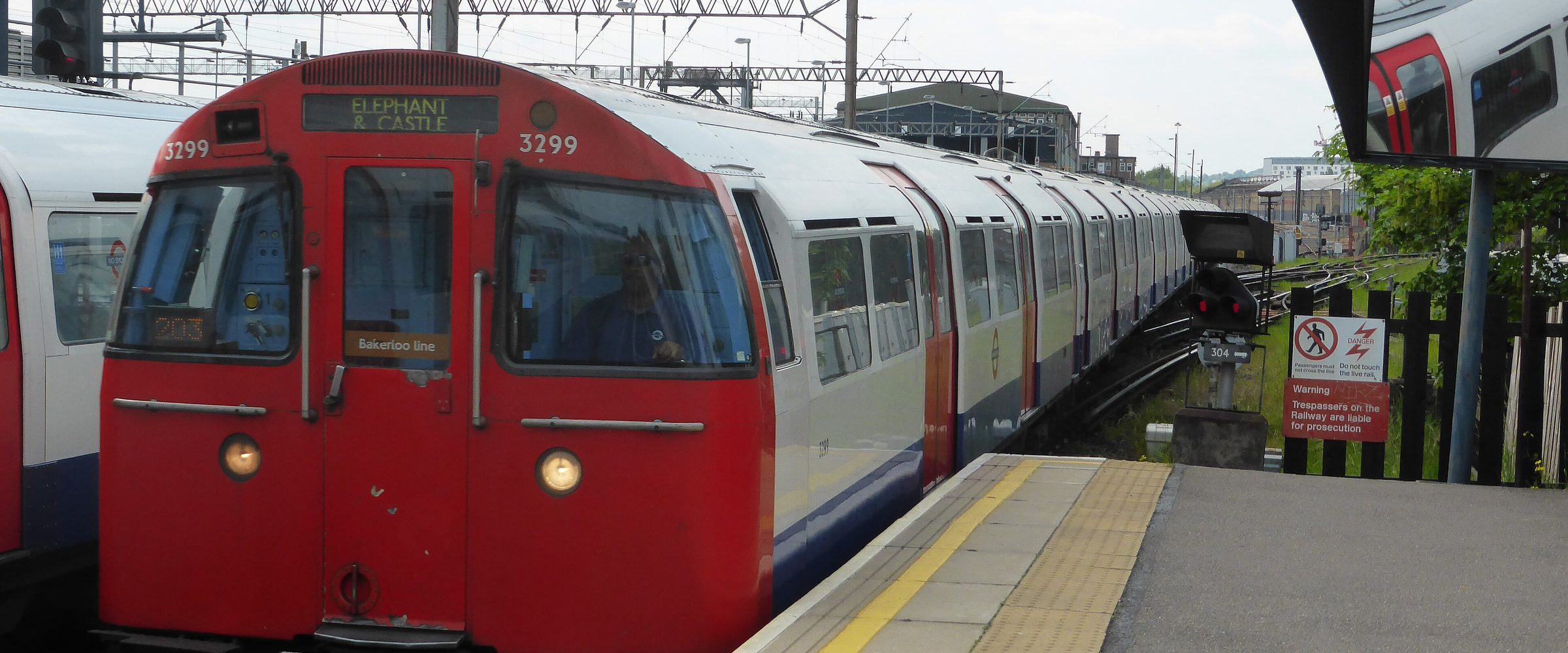
Elephant & Castle – Harrow & Wealdstone
West Ruislip – Epping and branches
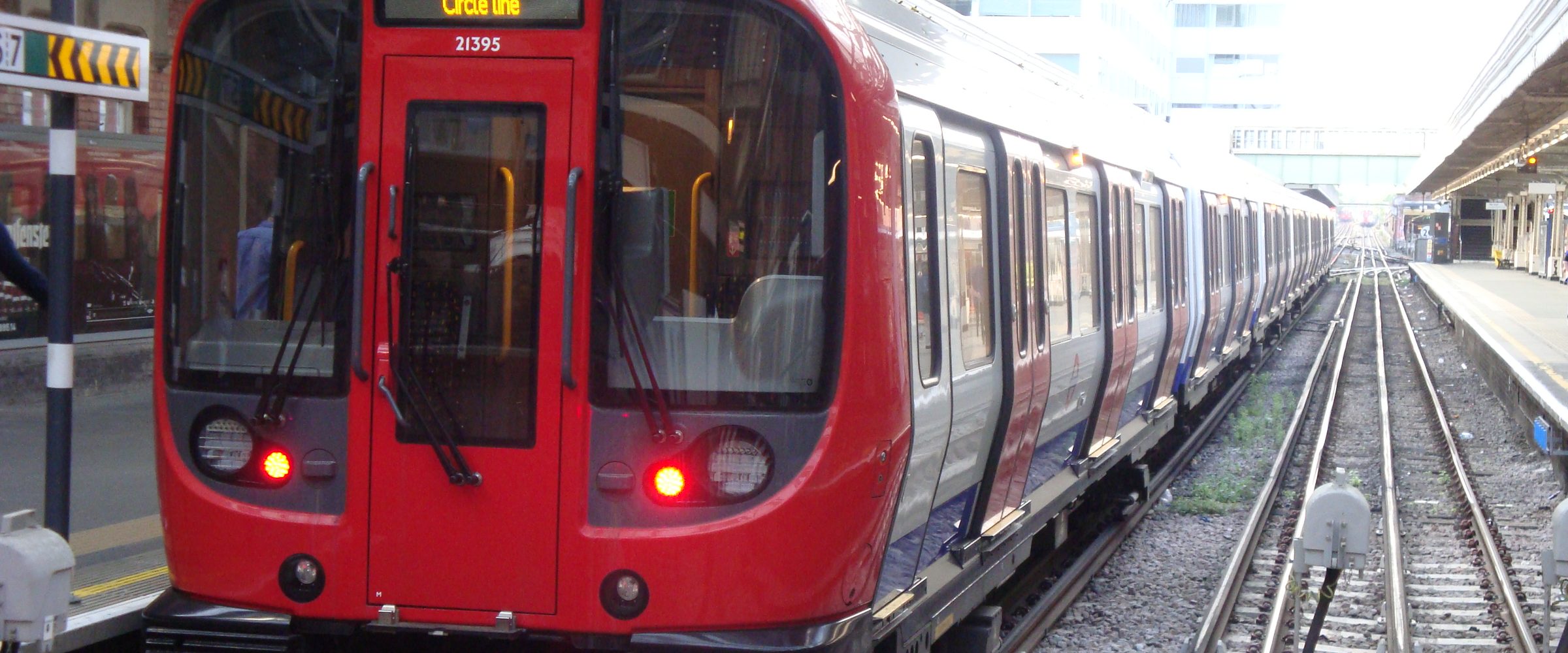
Hammersmith – Edgware Road via the City loop
Ealing Broadway – Upminster and branches
Hammersmith – Barking
Stanmore – Stratford
Amersham – Aldgate and branches
Morden – High Barnet and branches
Uxbridge – Cockfosters and branches
Brixton – Walthamstow Central
Waterloo – Bank (weekdays only)
The 11 tube lines
Each line page has its stations in running order, its branches, its history and its service pattern.
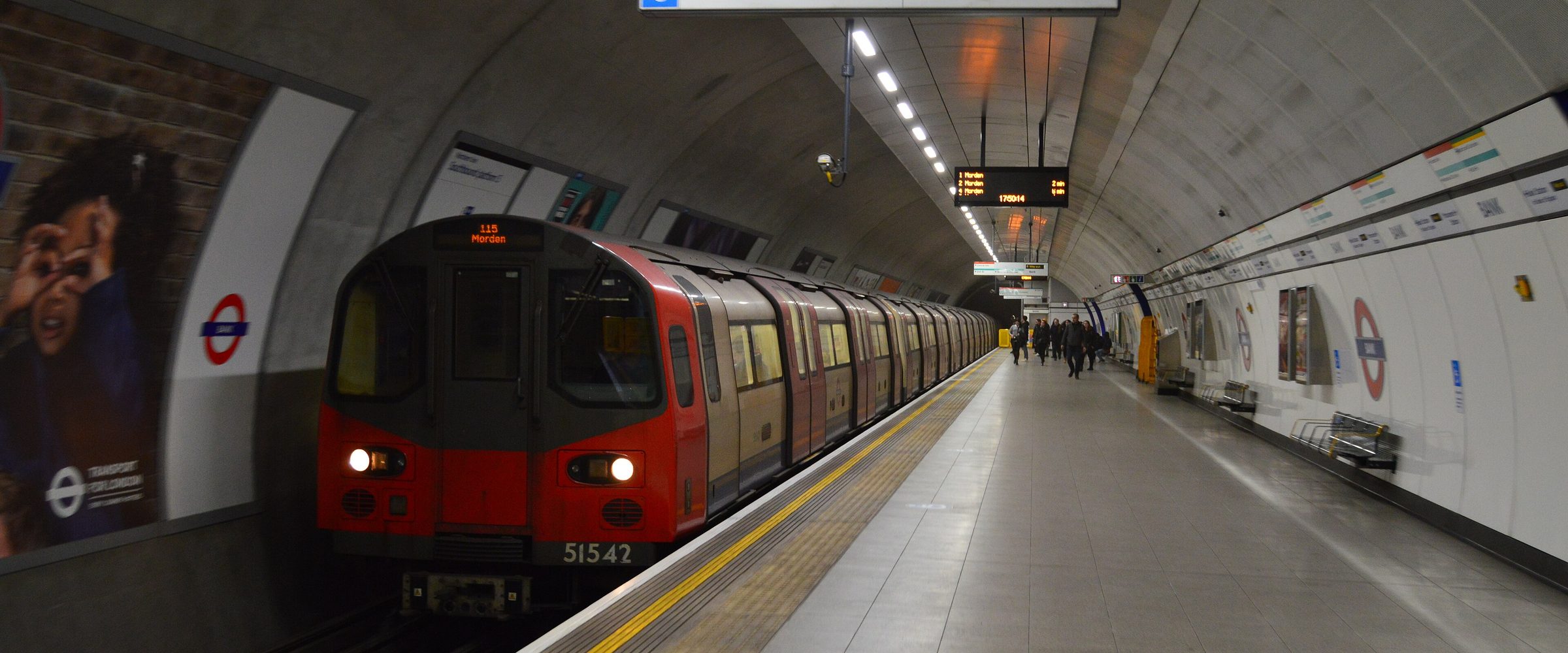
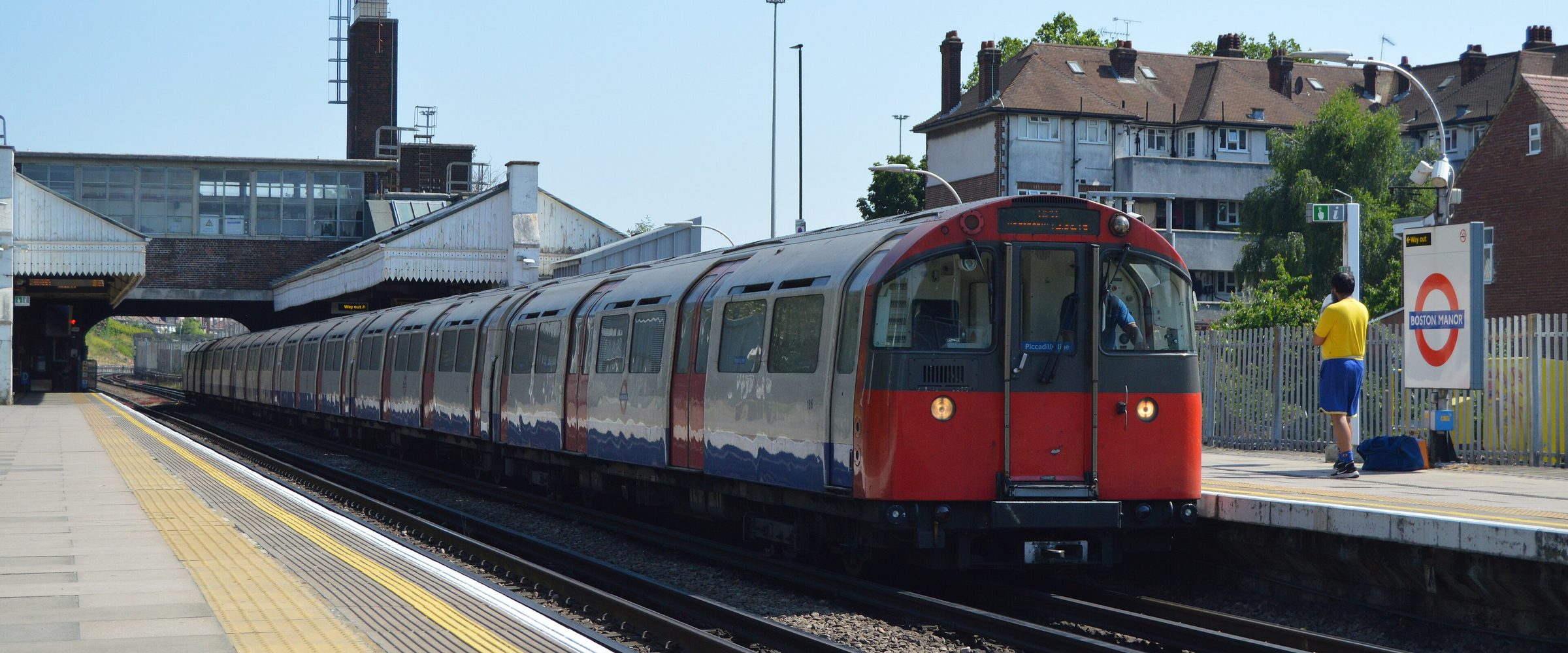
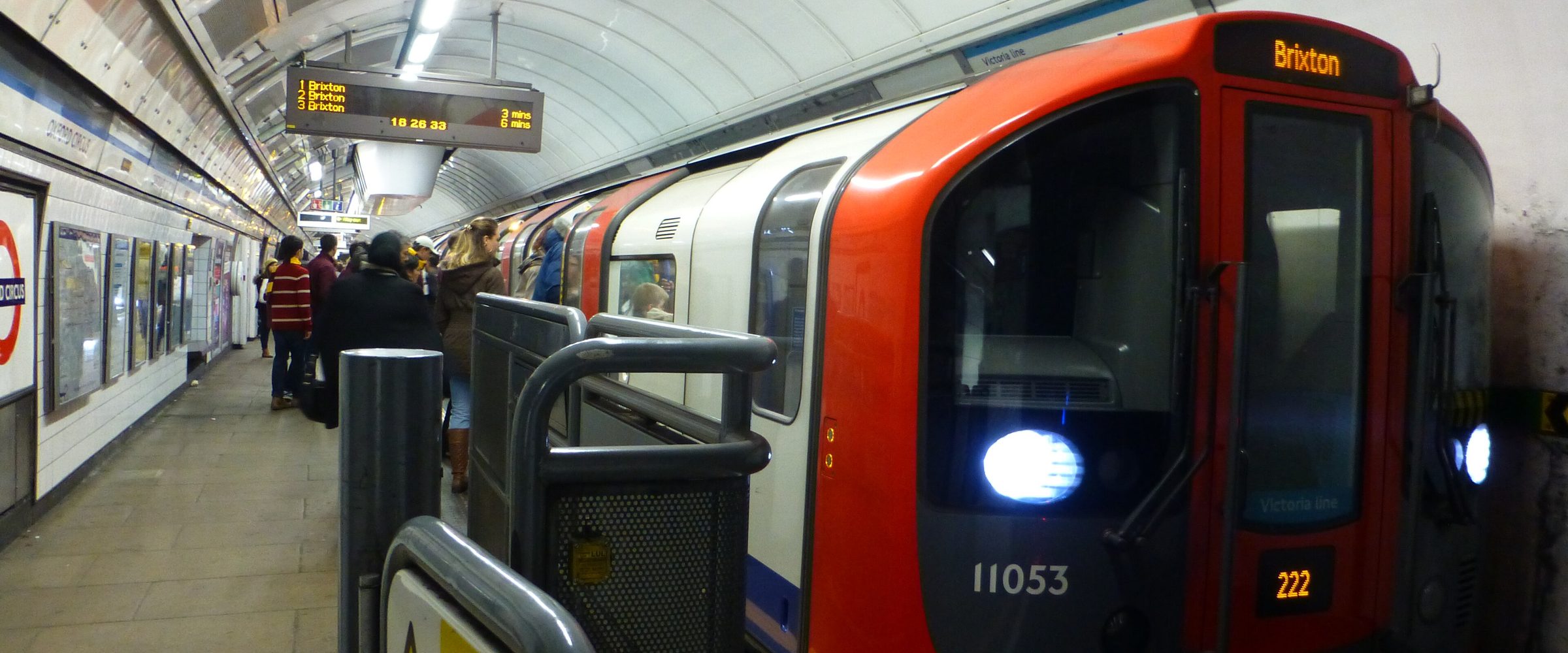
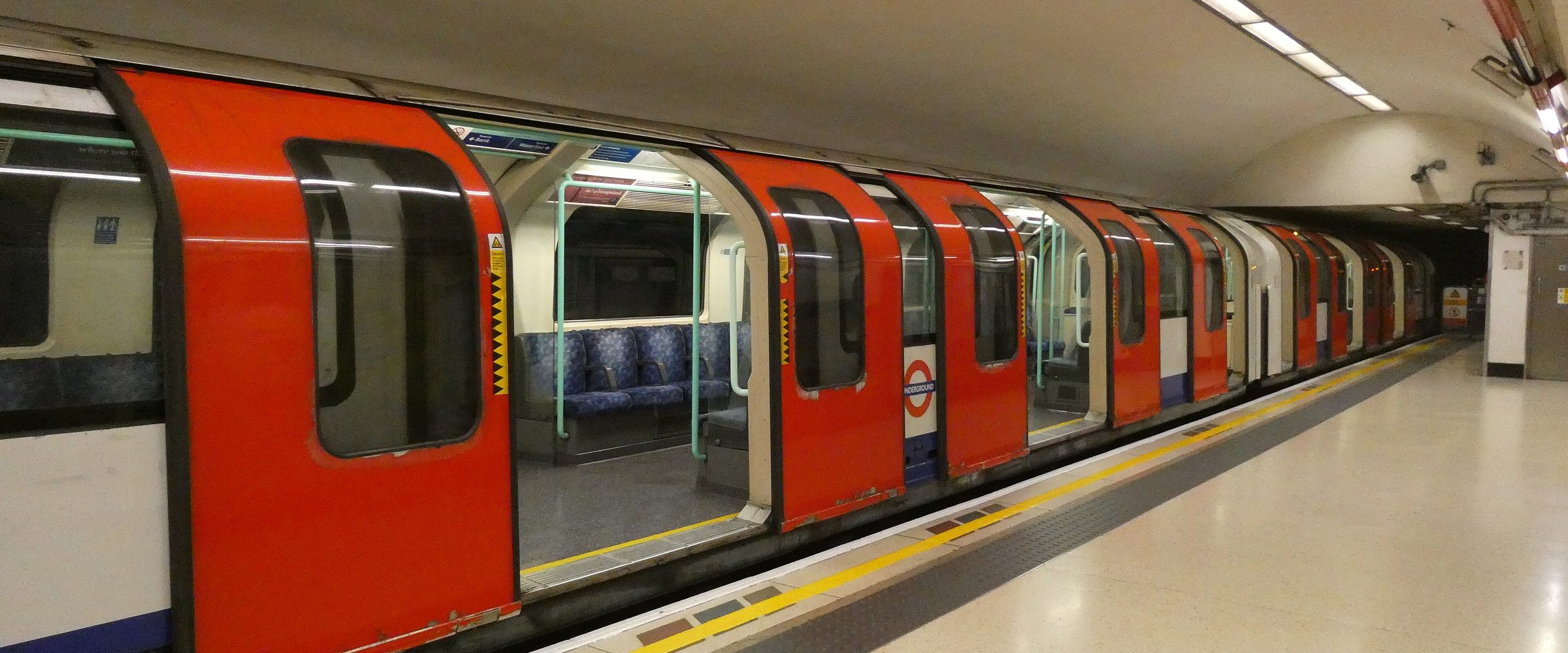
About the London Underground
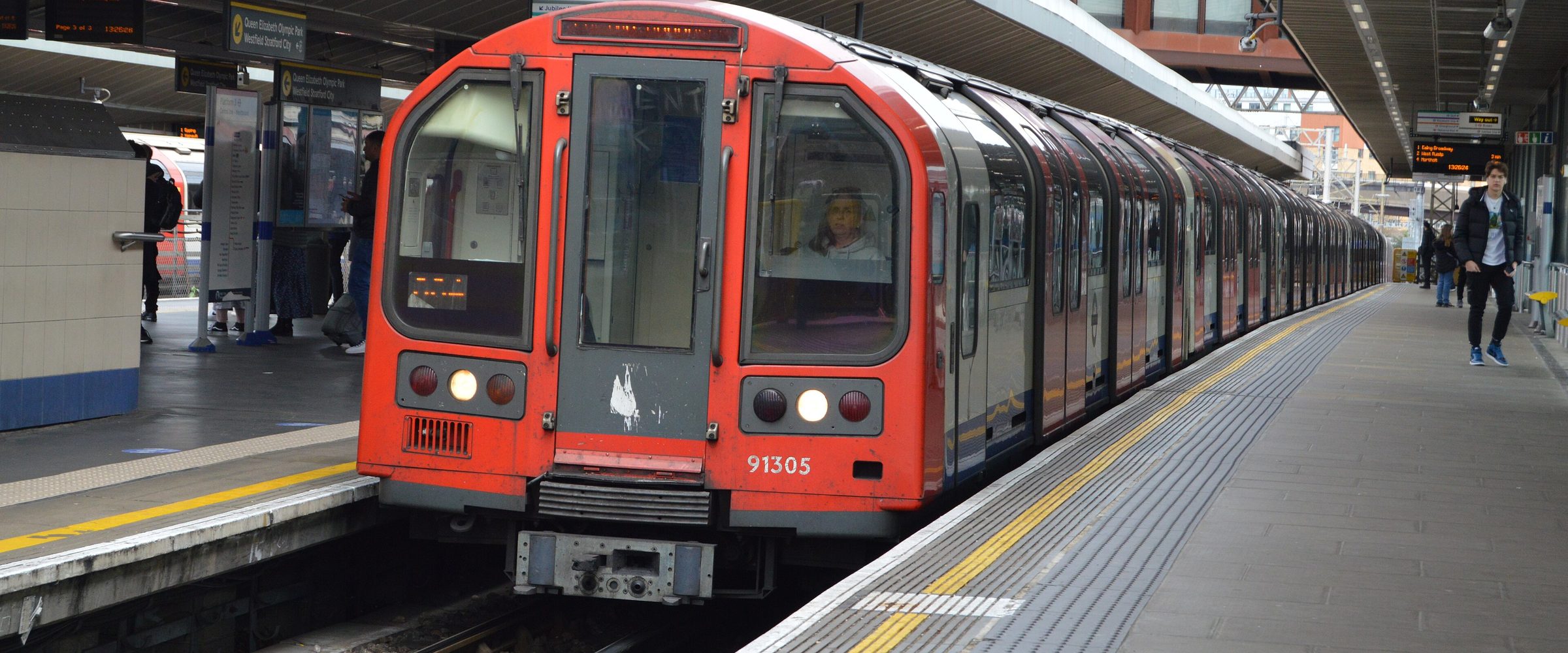
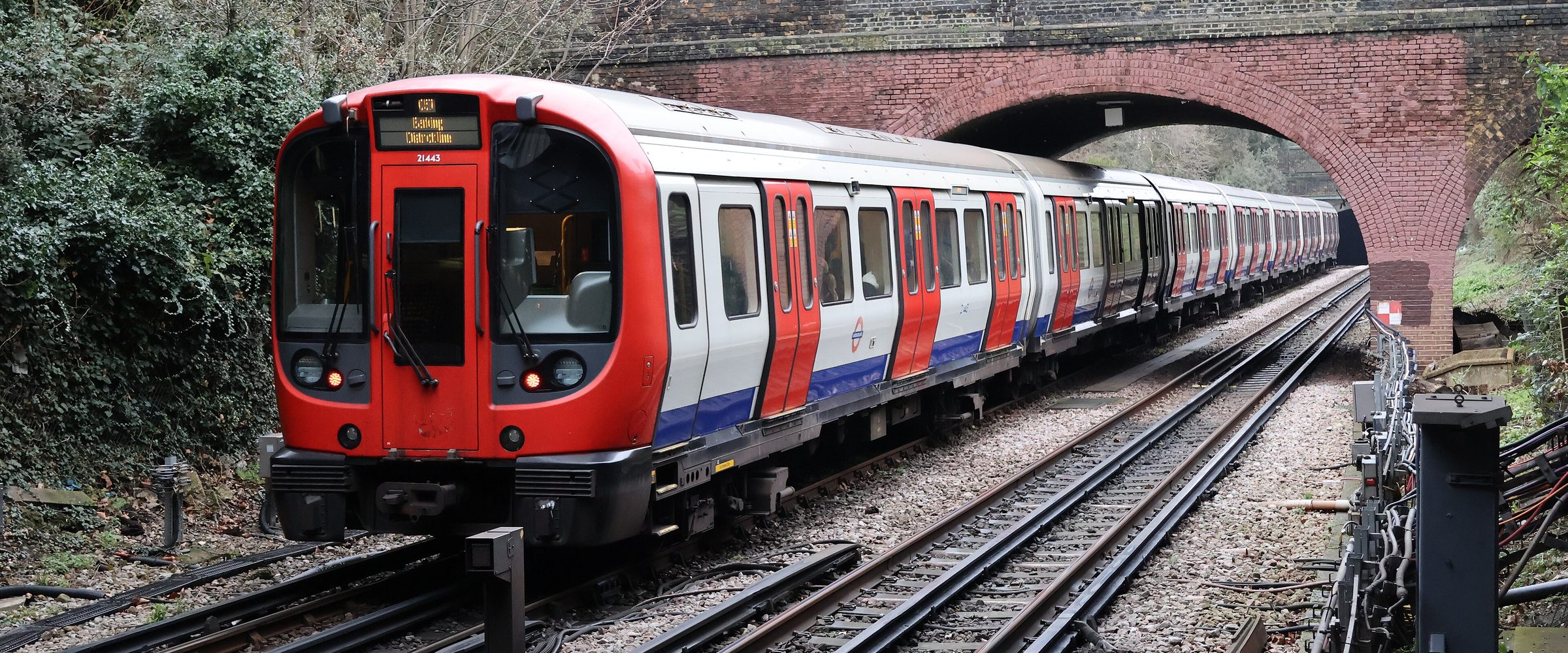
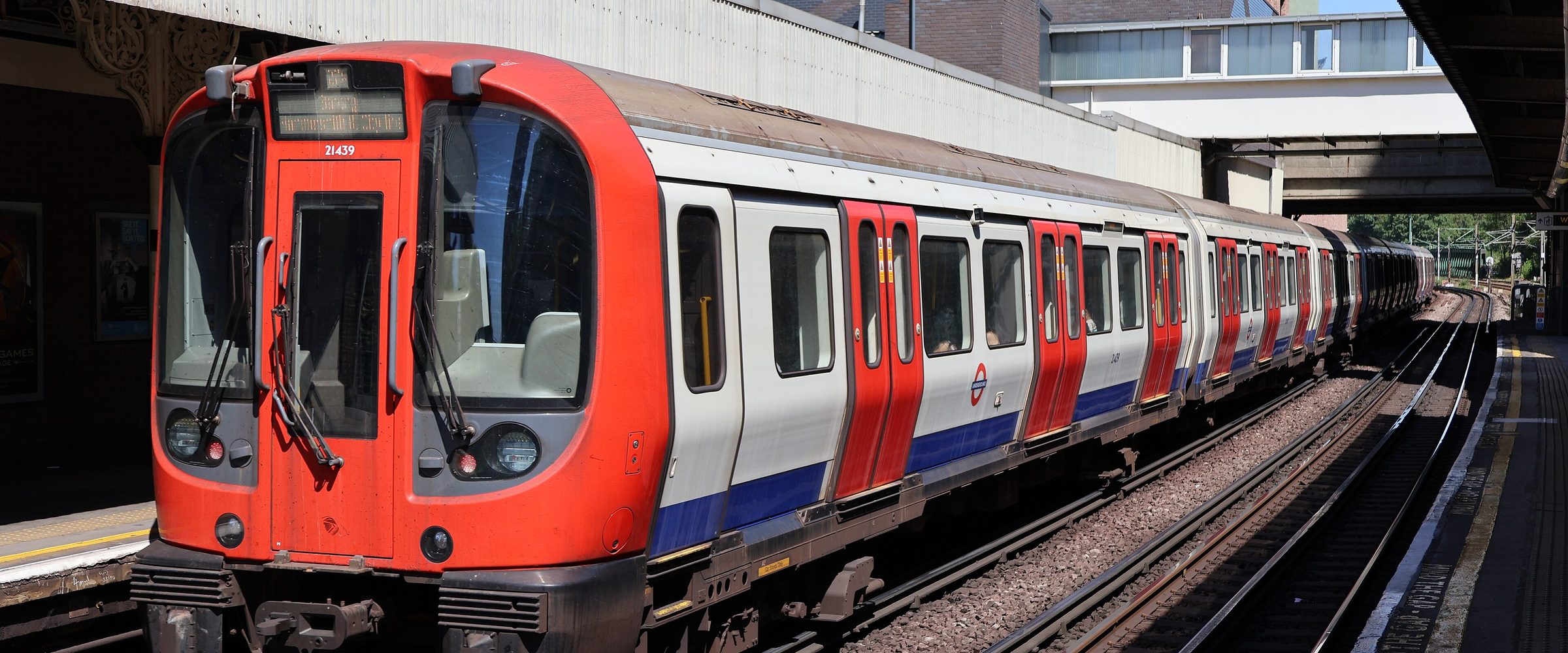
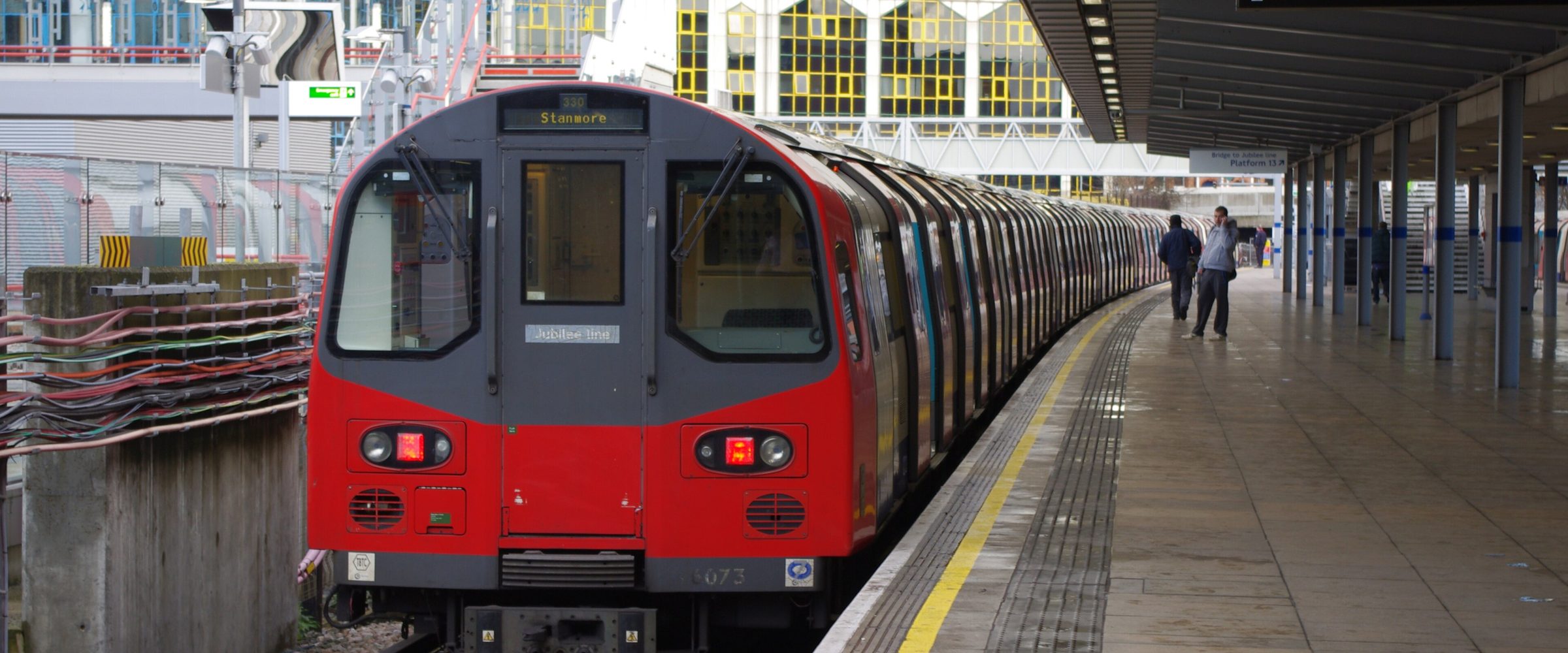
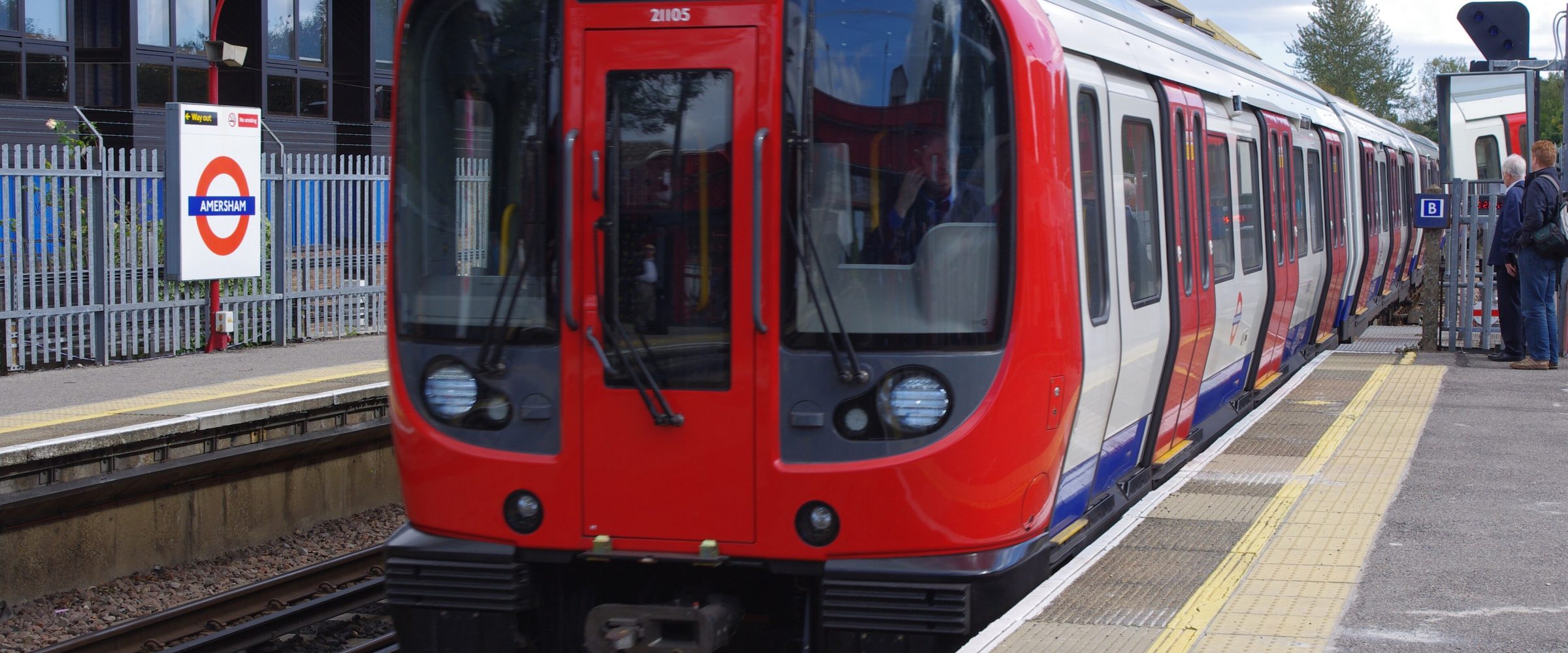
The London Underground, known to everyone as the Tube, has, in TfL’s own words, «11 lines covering 402km and serving 272 stations». TfL puts the load at up to 5 million passenger journeys a day, with more than 543 trains running at peak times. Despite the name, much of the network is above ground: the surface sections are mostly in the suburbs north of the Thames.
It is also the oldest underground railway in the world. The Metropolitan Railway opened between Paddington and Farringdon on 10 January 1863, with steam locomotives and gas-lit wooden carriages, and five of today’s stations (Baker Street, Euston Square, Farringdon, Great Portland Street and the Circle-line Edgware Road) date from that first day. The newest are Nine Elms and Battersea Power Station, opened in 2021 on the Northern line extension.
The network is run by Transport for London. This site is not: it is an independent guide that takes TfL’s open data — timetables, station facilities, fares — and turns it into one page per station and per line, with the history behind each one.
Popular journeys
Running time on the train, from TfL’s timetable, plus about 4 minutes for each change of line.
Busiest tube stations in 2024
Passenger entries and exits in 2024, in millions (TfL annual station counts).
| # | Station | Lines | Entries and exits |
|---|---|---|---|
| 1 | Waterloo | Bakerloo Jubilee Northern Waterloo & City | 77.4 m |
| 2 | King's Cross St Pancras | Circle Hammersmith & City Metropolitan Northern Piccadilly Victoria | 77.1 m |
| 3 | Victoria | Circle District Victoria | 62.7 m |
| 4 | Tottenham Court Road | Central Northern | 62.1 m |
| 5 | Liverpool Street | Central Circle Hammersmith & City Metropolitan | 61.2 m |
| 6 | London Bridge | Jubilee Northern | 57.9 m |
| 7 | Paddington (incl. Paddington (H&C line)) | Bakerloo Circle District Hammersmith & City | 56.4 m |
| 8 | Stratford | Central Jubilee | 55.7 m |
| 9 | Oxford Circus | Bakerloo Central Victoria | 53.2 m |
| 10 | Farringdon | Circle Hammersmith & City Metropolitan | 41.3 m |